In this article
- Text link
- Text link
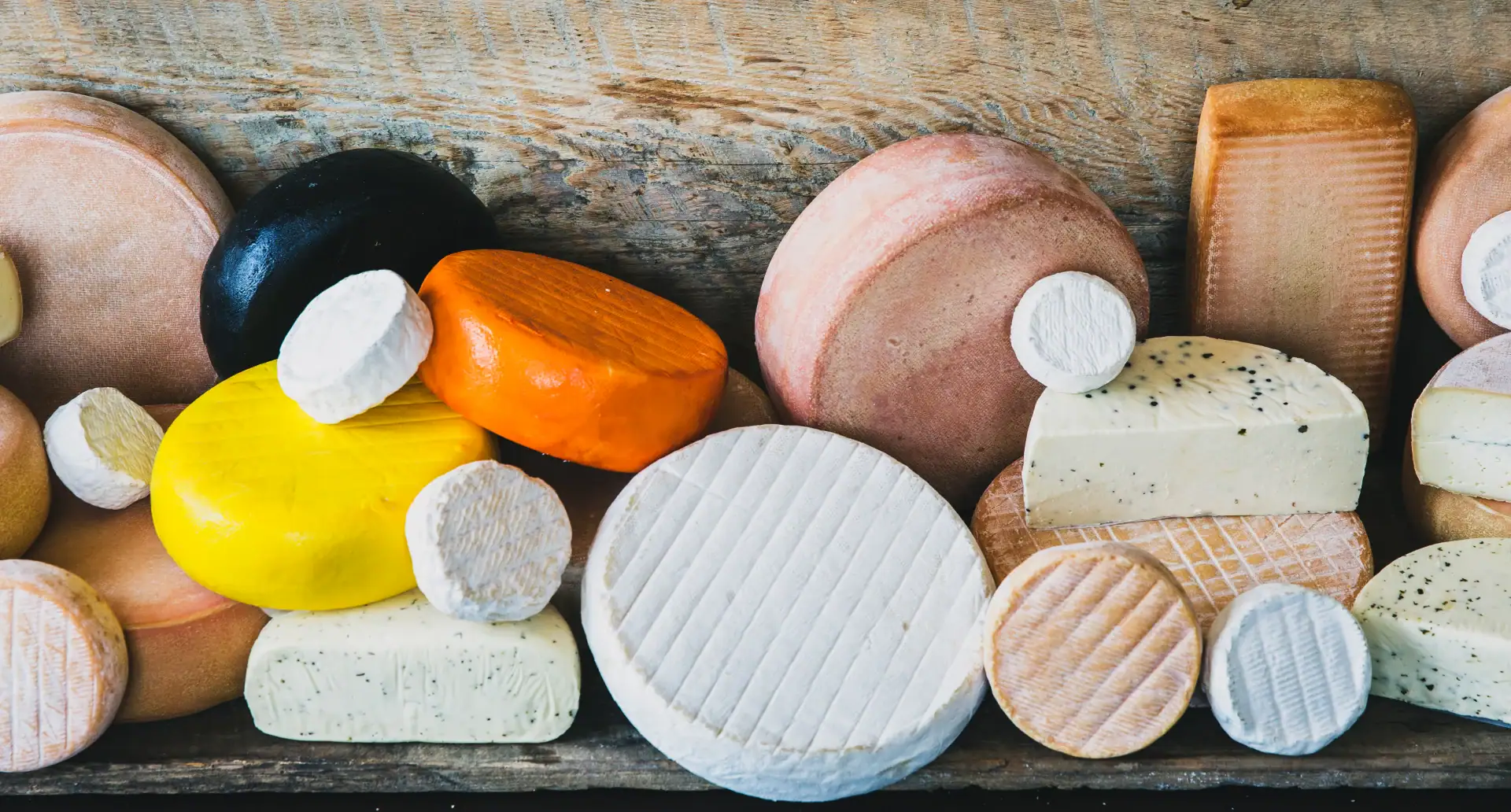
Did you know that at La Fromagerie, we have 4 types of cheese rind? There are many types of cheese rind in the cheese world. But what are these rinds, what is their purpose, how are they formed? Are they edible? We get a lot of questions about these special outer layers, so let’s clear things up.
Washed rind
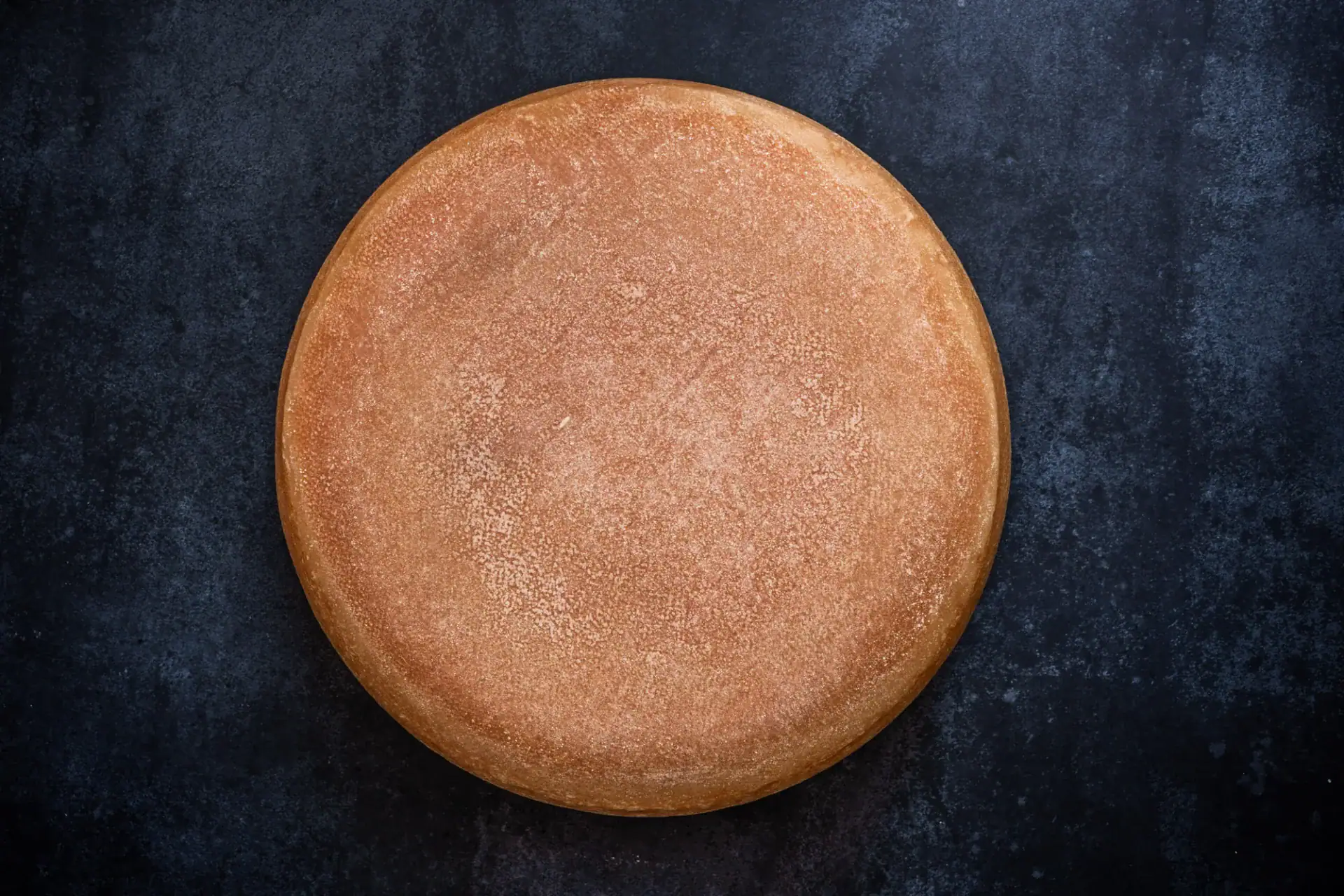
A washed rind is our most common one, used on most of our firmer cheeses. This one is quite literally created by washing the cheese as often as needed with a brush and water. The cultures the cheese contains will effectively produce a controlled mold and yeast layer that is then washed to smooth it down and give it the even finish needed to preserve the cheese’s unique flavor and texture. Although we don’t recommend eating this type of rind due to possible graininess and bitterness, it is perfectly eatable, so the choice is yours!
Bloomy rind
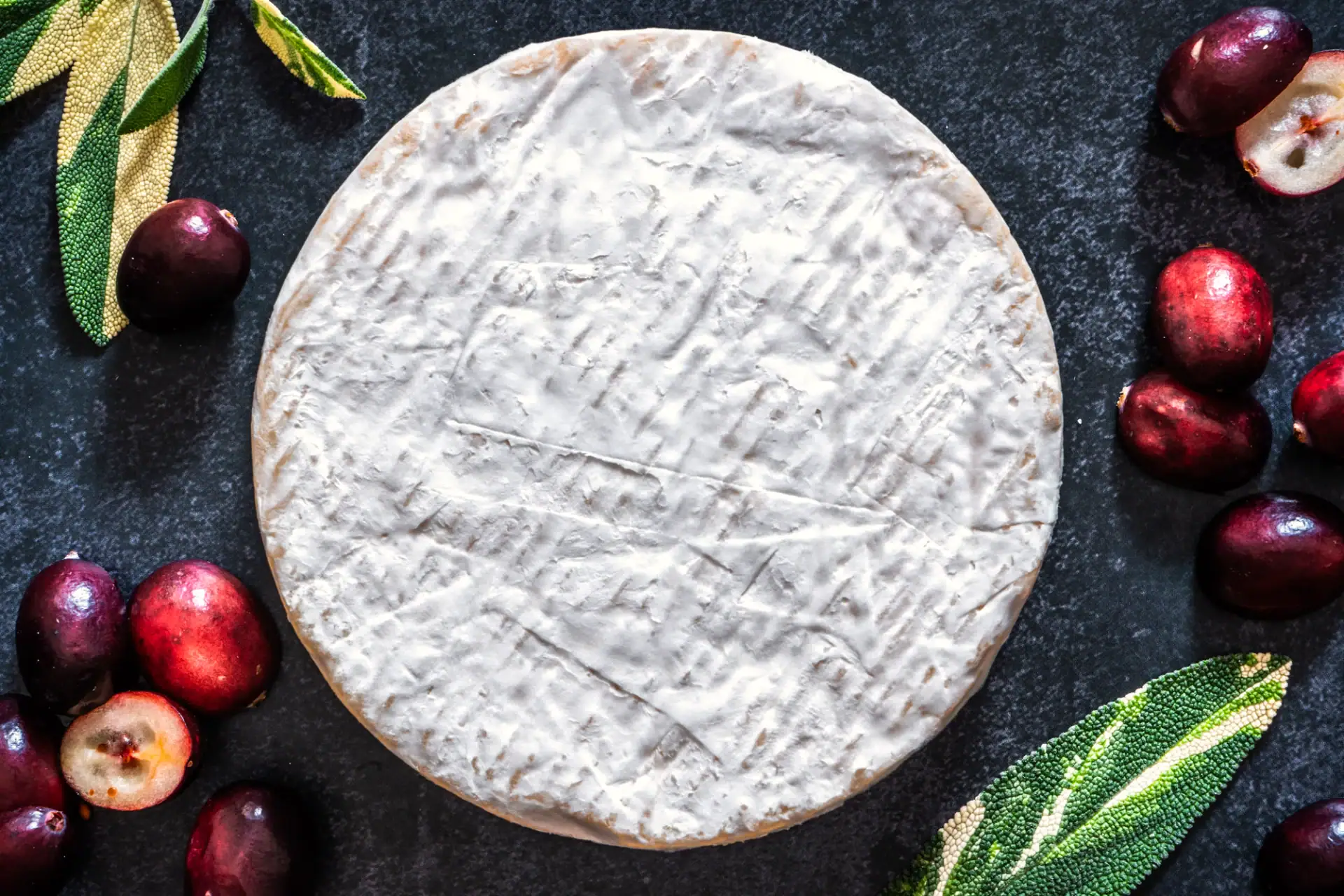
A bloomy rind is what coats our brie-styled cheeses. The culture called Penicillium is what creates this cloud-like finish that is, essentially, a mushroom! This rind has a very mild taste and is meant to be eaten and enjoyed alongside the creamy interior of the cheese.

Mixed rind
A mixed rind refers to a rind that has been bloomed, then washed, then let bloom again. We have one cheese with this rind, and it is our Roubine de Noyan, a brie type. This rind is meant to be eaten as well; it is a little bit more flavorful than the full bloomy rind.
Coating rind
Lastly is our coating rind, which is used for our St-Paulin, Mouton Noir and Port Royal cheeses. These cheeses, being interior ripened, do not develop a rind on their own therefore they must be coated in a protective layer. These rinds are painted with the coating and once the coating dries, it becomes a thin, stretchy-wax texture. Although this coating is nontoxic and tasteless, we do not recommend eating it.

No Rind
Our 3 Cristalia cheeses do not have rinds, the reason being that they are interior ripened and vacuum sealed for preservation instead. They are also more easily recognizable this way!